
Introduction:
The ancient Celtic people, who inhabited parts of Europe from the Iron Age through the Roman era and beyond, had a rich and complex religious belief system that connected them to nature, the divine, and their ancestors. The Celtic religion, often referred to as Celtic polytheism, was an integral part of their society, shaping their customs, rituals, and worldview. In this article, we will delve into the unique aspects of Celtic religion, exploring its key deities, sacred practices, and cultural significance.
I. Origins And Influences Of Celtic Religion:
To understand Celtic religion, it is essential to explore its origins and influences. The Celts were a diverse group of tribes with similar languages and cultural traits but varying religious practices. Their beliefs were influenced by animism, in which they believed that spirits resided in natural elements like trees, rivers, and mountains. As they interacted with neighboring civilizations, such as the Romans and Germans, their religious practices also evolved and adapted.
II. Pantheon Of Deities:
The Celtic pantheon was rich and diverse, with numerous gods and goddesses associated with various aspects of life, nature, and human existence. Some of the prominent deities included:
- Dagda: Known as the “Good God,” Dagda was a father figure, associated with fertility, agriculture, and abundance. He wielded a magical cauldron that provided unlimited sustenance.
- Morrigan: The enigmatic Morrigan was a goddess of war, fate, and sovereignty. Often depicted as a crow or raven, she possessed a dual nature, embodying both destruction and protection.
- Brigid: Revered as the goddess of fire, poetry, healing, and fertility, Brigid held a special place in the hearts of the Celtic people. Her festival, Imbolc, marked the beginning of spring.
III. Rituals And Festivals:
Celtic religious practices were closely tied to the cycles of nature, with rituals and festivals celebrating the changing seasons and significant life events. Some of the well-known celebrations include:
- Samhain: Celebrated on November 1st, Samhain marked the end of the harvest season and the beginning of winter. It was believed that during this time, the veil between the world of the living and the dead was thin, allowing spirits to cross over.
- Beltane: Taking place on May 1st, Beltane honored fertility, love, and the union of the divine masculine and feminine. Bonfires played a central role in this joyous celebration.
- Lughnasadh: Occurring around August 1st, Lughnasadh honored the Celtic god Lugh and celebrated the first fruits of the harvest. It involved games, feasting, and communal gatherings.
IV. Sacred Sites And Practices:
The Celts revered certain natural sites as sacred, believing them to be dwelling places of divine energy. These sites included hilltops, lakes, springs, and ancient forests. Practices such as divination, rituals of purification, and offerings to the gods were common ways the Celts sought to connect with the spiritual realm.
V. The Decline Of Celtic Religion:
With the Roman conquest and later spread of Christianity across Europe, the influence of Celtic religion began to wane. The assimilation of Celtic deities into the Roman pantheon and the transformation of their sacred sites into Christian places of worship led to a gradual decline in traditional Celtic religious practices.
Conclusion:
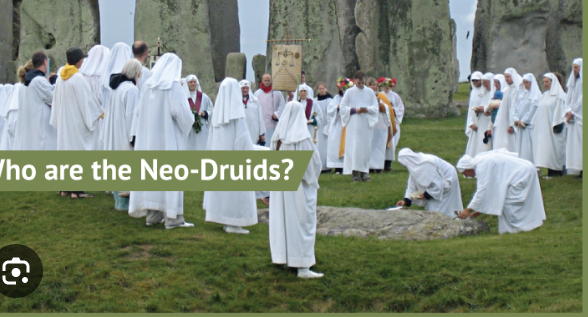
The study of Celtic religion offers a fascinating glimpse into the ancient beliefs and spiritual practices of a people closely attuned to nature and the cycles of life. Despite the decline of their traditional religion, elements of Celtic spirituality continue to thrive in modern pagan and neopagan movements. The legacy of the Celtic people lives on in the stories of their gods and goddesses, the magic of their festivals, and the enduring connection to the natural world that continues to captivate the hearts of those who seek a deeper understanding of the ancient past.
FAQs:
- What impact did Celtic religion have on Celtic society?
Celtic religion had a profound impact on Celtic society. It provided a framework for understanding the world and their place in it, fostering a deep connection with nature and the cycles of life. Rituals and festivals brought communities together, reinforcing social bonds and cultural identity. Moreover, the belief in an afterlife and the importance of honoring ancestors instilled a sense of continuity and respect for their heritage.
- Are there any modern-day practices inspired by Celtic religion?
Yes, there are modern-day practices inspired by Celtic religion. Neopagan and Wiccan movements often incorporate elements of Celtic spirituality into their beliefs and rituals. Many people today celebrate the ancient Celtic festivals like Samhain and Beltane as a way to connect with nature and their ancestral roots. Additionally, some individuals follow modern interpretations of Celtic deities, seeking to embrace the wisdom and symbolism they represent in a contemporary context.
