
Introduction
Over the past decade, the Ten-Year Treasury Yield has been a crucial barometer of economic health and a key driver of financial markets worldwide. As a benchmark for long-term interest rates, the Ten-Year Treasury Yield is closely monitored by investors, policymakers, and economists alike. Its fluctuations can offer valuable insights into inflation expectations, economic growth prospects, and risk appetite in financial markets. In this article, we will explore the significance of the Ten-Year Treasury Yield, its historical patterns, and its implications on the global economy. By understanding this important financial indicator, we can gain a deeper insight into the dynamics that shape our financial landscape.
What Is The Ten-Year Treasury Yield?
The Ten-Year Treasury Yield represents the interest rate at which the United States government borrows money by issuing ten-year Treasury notes. These notes are considered safe-haven assets, as they are backed by the full faith and credit of the U.S. government. As a result, the yield on these notes is regarded as a risk-free rate of return. The Ten-Year Treasury Yield is closely linked to other interest rates in the economy and serves as a reference point for determining borrowing costs across various sectors.
Factors Influencing The Ten-Year Treasury Yield
- Economic Indicators: The yield is significantly influenced by economic indicators such as GDP growth, employment data, and inflation rates. Positive economic data can lead to expectations of higher inflation and thus higher yields, while weaker economic data can lead to a decrease in yields as investors seek safer assets.
- Monetary Policy: Decisions made by the Federal Reserve, such as changes in the federal funds rate and quantitative easing measures, can influence the Ten-Year Treasury Yield. A dovish monetary policy, aimed at stimulating economic growth, tends to push yields lower, while a hawkish stance, aimed at curbing inflation, can drive yields higher.
- Geopolitical Events: Geopolitical tensions, trade wars, and other global events can create uncertainty in financial markets, leading investors to seek refuge in safer assets like Treasuries, driving yields down.
- Market Sentiment: Investor sentiment and risk appetite also play a significant role in shaping the Ten-Year Treasury Yield. During periods of market turmoil, investors often flock to Treasuries, increasing their demand and causing yields to fall.
Historical Patterns Of The Ten-Year Treasury Yield
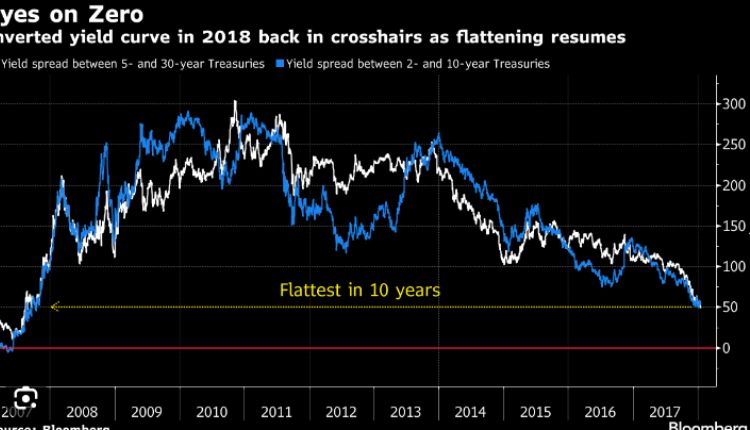
Over the past decade, the Ten-Year Treasury Yield has experienced notable fluctuations, influenced by various economic and geopolitical factors. The years immediately following the 2008 financial crisis saw historically low yields as the Federal Reserve employed extraordinary measures to stimulate economic growth. As the global economy recovered, yields began to rise, reaching a peak in the early 2010s.
However, throughout the mid-2010s, yields experienced a decline, largely due to global deflationary pressures, central bank policies, and increased demand for safe assets. The period between 2016 and 2018 saw a gradual rise in yields as the Federal Reserve began to tighten its monetary policy.
In recent years, the yield curve has experienced inversions, where short-term yields surpass long-term yields. These inversions have often preceded economic downturns, sparking concerns about recessionary signals. Nevertheless, the dynamics of the COVID-19 pandemic had a profound impact on the Ten-Year Treasury Yield, with the Federal Reserve’s swift intervention pushing yields to historic lows in 2020.
Conclusion
The Ten-Year Treasury Yield plays a critical role in the global financial landscape, influencing borrowing costs, investment decisions, and economic expectations. Its fluctuations are shaped by a myriad of factors, including economic indicators, monetary policy, geopolitical events, and market sentiment. Understanding the dynamics of the Ten-Year Treasury Yield is essential for investors, policymakers, and anyone with an interest in the global economy. By monitoring this crucial indicator, stakeholders can gain valuable insights into the prevailing economic conditions and potential market trends.
FAQs
Q1: Why is the Ten-Year Treasury Yield essential for investors? A1: The Ten-Year Treasury Yield is a key benchmark for interest rates and serves as a reference point for various investments. Investors often use it as a gauge for assessing risk, determining bond yields, and making asset allocation decisions. Its fluctuations can indicate shifts in market sentiment and expectations for future economic conditions, making it an essential tool for investors.
Q2: How does the Ten-Year Treasury Yield impact mortgage rates? A2: Mortgage rates tend to be influenced by long-term interest rates, including the Ten-Year Treasury Yield. When Treasury yields rise, banks and lenders adjust their rates upward to maintain profitability. Conversely, falling Treasury yields can lead to lower mortgage rates, encouraging borrowing and stimulating the housing market
