
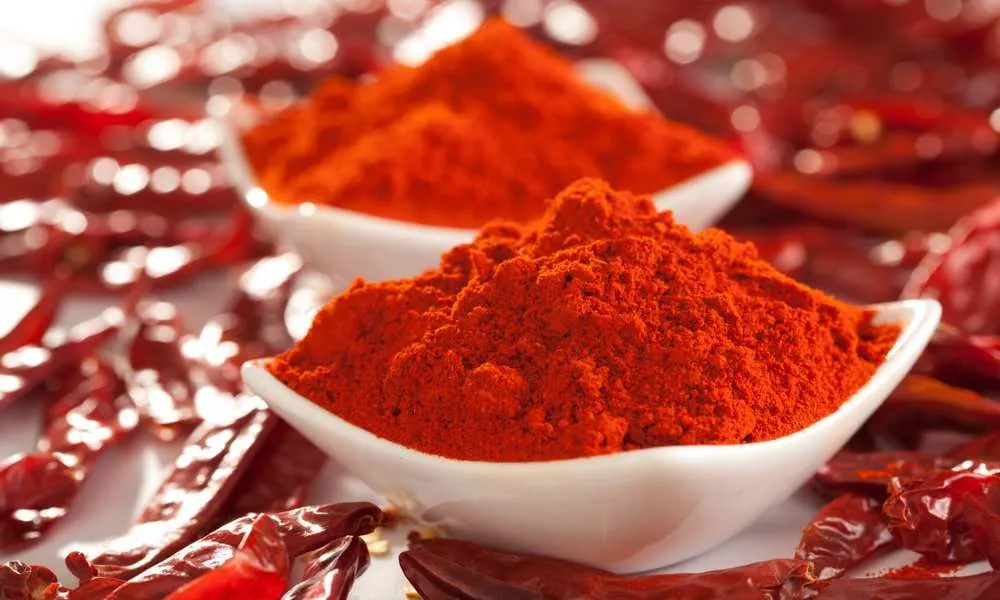
Introduction:
Red chilli, scientifically known as Capsicum annum, is a popular spice that has been a staple ingredient in cuisines worldwide for centuries. Known for its fiery taste and vibrant red color, this versatile spice not only adds a distinctive flavor to dishes but also offers a plethora of health benefits. In this article, we will delve into the various uses, benefits, and potential side effects of red chilli, shedding light on its culinary significance and medicinal properties.
I. Culinary Uses of Red Chilli:
Red chilli is an essential ingredient in countless recipes across cultures, adding a characteristic heat and depth to dishes. From Indian curries to Mexican salsas, its versatile nature enhances the flavors of various cuisines. Whether used in powdered form, as a paste, or whole, red chilli can elevate the taste of soups, stews, marinades, and sauces. It also acts as a natural food preservative due to its antimicrobial properties.
II. Health Benefits of Red Chilli:
- Pain Relief and Anti-Inflammatory Properties: Red chilli contains capsaicin, a compound known for its analgesic properties. When applied topically, capsaicin can help alleviate pain caused by arthritis, muscle aches, and nerve damage. It also possesses anti-inflammatory effects, which can aid in reducing inflammation and swelling.
- Boosts Metabolism and Aids Weight Loss: Capsaicin is known to increase thermogenesis, which is the process of heat production in the body. This can lead to a temporary increase in metabolism and potentially enhance weight loss efforts. Additionally, red chilli can help suppress appetite and reduce calorie intake, promoting healthy eating habits.
- Cardiovascular Health: Red chilli consumption has been associated with improved cardiovascular health. It may help lower blood pressure, reduce LDL cholesterol levels, and prevent the formation of blood clots, thus reducing the risk of heart disease and stroke.
- Rich in Vitamins and Minerals: Red chillies are a good source of various vitamins and minerals, including vitamin C, vitamin A, potassium, and iron. These nutrients play essential roles in supporting immune function, maintaining healthy vision, and promoting overall well-being.
III. Potential Side Effects and Precautions:
While red chilli offers numerous health benefits, it is important to be mindful of potential side effects and take necessary precautions:
- Gastrointestinal Discomfort: Excessive consumption of red chilli can cause digestive issues such as heartburn, stomach pain, and diarrhea. Individuals with pre-existing digestive conditions should exercise caution and moderate their intake accordingly.
- Allergic Reactions: Some people may be allergic to red chilli or its compounds. Allergic reactions can range from mild symptoms like skin rashes and itching to severe reactions like difficulty breathing. If you experience any allergic symptoms after consuming red chilli, seek medical attention immediately.
- Skin and Eye Irritation: Direct contact with red chilli can cause skin irritation and burning sensation. It is essential to handle the spice with caution and wash hands thoroughly after handling it to avoid any accidental contact with sensitive areas like the eyes.
Conclusion:
Red chilli is a fiery spice that not only adds a kick to our culinary adventures but also offers a wide array of health benefits. From its pain-relieving properties to its potential in aiding weight loss and promoting cardiovascular health, this vibrant spice has earned its place in both the kitchen and traditional medicine. However, it is crucial to consume red chilli in moderation and be aware of potential side effects. As with any dietary changes, it is advisable to consult with a healthcare professional before making significant modifications to your diet
