
New colors, patterns, and apparel find a home in the malls and stores as the newest trends come and go. You should know what is popular and what is not before heading directly to the stores to choose your new autumnal clothes assortment. Plaid is a highly popular look for autumn. Here are some options to work this trendy autumn trend into your personal wardrobe before you decide that it is too much for you.
Plaid clothes can be worn without belonging to a tribe or mastering the bagpipes. Additionally, this season’s autumn fashions are available in many shades of color, not just the traditional shades of red and green. Any color you can conceive of will be available, including white and black, rose and black, violet and white, and many others. In addition, styles are frequently used in all sizes. You can actually choose the design that would seem to be the most fashionable for you, whether it is small to medium-sized or enormous.
Plaid Jackets Are Preferred Over Coats
These days, plaid jackets are preferred over coats. Pair a turtleneck shirt with a checkered blazer or jacket. If that is too much, drape a checkered scarf over a great jacket or use it as a belt by wrapping it around your belly. The classic pleated mini, which is also fashionable this fall, looks great with opaque leggings that are solid in color and some ankle-high boots. Pair a solid turtleneck with leggings and a patterned jumper. Due to the fact that this particular style is so classic, you have a wide range of possibilities go deal now.
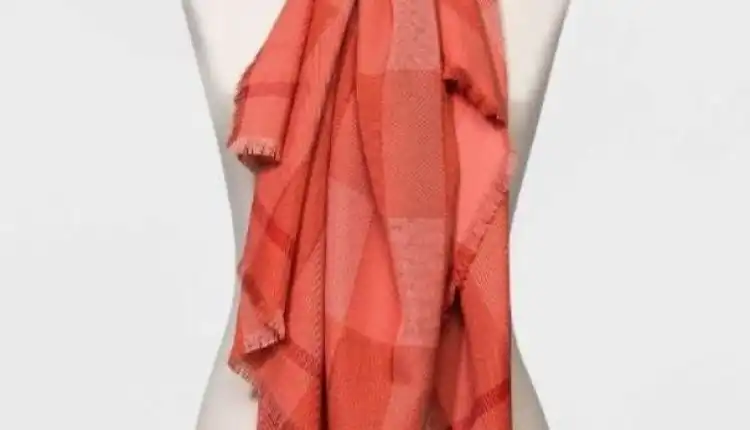
You can kill two trend-setting birds with one stone if you look for checkered scarves in the majority of the most popular colors for autumn fashion. This autumn, colors like burnt orange and brown are popular and create a wonderful checkerboard variation. Although crimson and mustard yellow frequently appear in shopping centers, violet, which comes in a range of tones, stands out as the “it” color for autumn. If the bold colors don’t fit your personality, go for a classic monochrome combination and add crimson accents for tone.
If you are scared to wear a plaid dress or shirt, you may still follow the trends for autumn by wearing checkered scarves. Put a plaid scarf around your neck; depending on how formal you want to appear, you can choose from silk, cashmere, or pashmina. A colorful purse is another option. A checkered purse, whether big or small, is a nice addition for any outfit. You might also find plaid pumps or heels. It goes without saying that your scarf, bag, and high heel platform sandals should all be plain solid colors. Many patterns are way too overwhelming to the eye.
Get the Ideal Item
You can get the ideal item of plaid clothing whether you browse at department stores, outlet malls, or online. It is a classic that looks great with solids, whether they are professional or casual. Just avoid the top-to-bottom look. Following the most recent fashion trends is simple, and it doesn’t have to break the money. Choose a look you like and include a plaid accessory into it, such as a scarf, shoe, bag, dress, etc. You don’t need a cupboard full of plaid scarves simply because autumn fashion will always change. Choose the essentials and add a dash of plaid to punk it up. You’ll look gorgeous in plaid clothing for women and in style in the end.
The plaid trend, or tartan as it is more generally known, has made a long voyage through the decades of fashion history, from the Scottish Highlands to the runways of Paris, Milan, and London. In recent times, the trend has been seen in dresses, skirts, suits, and handbags. When the style initially emerged, those with Scottish ancestry and Gaelic culture were more likely to wear it. Here, we walk you through the history of a specific sort of clothing that has a rich cultural heritage that makes it more than just a fashion statement but an important part of Scottish history.
Conclusion
Crossed horizontal lines and vertical brands in various colors make up the design. It used to be made of woven wool, but today a variety of other materials are used to make it. The style was initially applied to Scottish kilts worn by local warrior clans. A law was passed in 1746 that prohibited the wearing of the garment and other practices unique to the Gaelic community. However, this was overturned, and now wearing the item of clothing is a sign of Scotland’s national identity. People that wear the clothing do so to demonstrate their allegiance to the country.
